

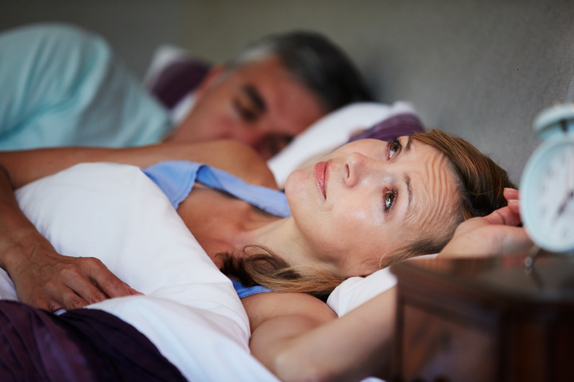
Whether it's the annual change to and from daylight savings time or drastic time changes as you travel across several time zones, your sleep habits can see a fair amount of disruption. Gaining hours here, and losing hours there will eventually take a toll on how much, and how well you sleep.
Making adjustments to your sleep patterns can be hard on your body because your internal clock is ticking away regardless of what time zone, or daylight savings time you may be in. There are a few tips from The Mayo Clinic on how to ease into these time adjustments and get the most out of the sleep time available to you. Let's take a look at what they have to say about getting through the upcoming time change without too much worry regarding your sleep habits.
How to Gradually Adjust Your Internal Clock
Navigating a time change can be much easier when you prepare your sleep habits in advance. Whether the shift is in the fall or spring, start gradually adjusting your bedtime and wake-up time in small steps. Aim to move your schedule by 15- to 30-minute increments over the weeks leading up to the change, and your body will be better aligned with the new sleep and wake times.
How Does Sunlight Affect Your Sleep Cycle?
Sunlight plays a major role in regulating your sleep patterns. Exposure to natural light helps control your circadian rhythm, the internal clock that signals when your body should wake up and when it should prepare for sleep. Sunlight also provides a natural source of vitamin D, which supports overall health and well-being.
Getting sunlight in the morning helps signal to your body that it’s time to wake up and begin the day. This can be especially helpful during darker winter months when natural light is limited. In contrast, avoiding bright lights and screens in the evening helps your body recognize when it’s time to wind down and prepare for sleep.
Beyond sleep regulation, sunlight can also improve mood. Exposure to sunlight triggers the release of serotonin, a neurotransmitter associated with feelings of happiness and well-being. Higher serotonin levels can help improve mood and may reduce symptoms of seasonal affective disorder (SAD), a type of depression linked to seasonal changes in daylight.
How Can Essential Oils and Aromatherapy Improve Sleep?
Essential oils are the oils extracted from certain plants to be used in aromatherapy. There have been studies on the effectiveness of these oils to reduce stress and anxiety to promote a sense of well-being and be conducive to sleep.
Oils such as lavender, chamomile, jasmine, bergamot, rose, sandalwood, and vanilla are known to have these sleep-inducing properties. These oils are used in diffusers or can be applied in small amounts to a cotton ball and the cotton ball placed inside your pillowcase. Pillows and sleep masks are often infused with these oils and are advertised as being a healthy alternative to sleep-aid medications.
While these are some good tips on preparing for interruptions in your regular sleep cycle, it’s also worth considering whether your current mattress is truly supporting the restorative rest you need, especially when your schedule is changing.
Visit one of our Land of Sleep locations in Sarasota or Venice to test different mattress types in person and talk with our sleep experts about your specific needs. We’ll help you find a mattress that fits your sleep style, comfort preferences, and budget so you can face any time change with a healthier, more restorative night’s sleep.