

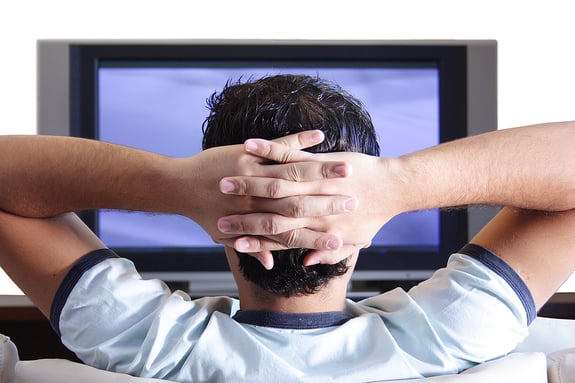
Watching TV before bed isn't necessarily bad for sleep, but it depends on what you're watching, how long you're watching it, and how it affects your ability to fall asleep.
For some people, watching a familiar show can be a relaxing way to unwind after a busy day. For others, late-night TV can make it harder to fall asleep, stay asleep, and wake up feeling refreshed.
The key is understanding how television affects your body's natural sleep cycle and whether your nighttime viewing habits are helping or hurting your overall sleep quality.
How Does Watching TV Affect Sleep?
Television can affect sleep in several ways. Some effects may be positive, while others may interfere with your body's ability to prepare for rest.
Factors that can influence sleep include:
- Blue light exposure from the screen
- Mental stimulation from what you're watching
- How close to bedtime you're watching
- Volume levels in the room
- The length of time you spend watching
For some people, these factors have little impact. For others, they can significantly affect sleep quality.
Why Can TV Make It Harder to Fall Asleep?
One of the most common concerns about watching TV before bed is its effect on melatonin.
Melatonin is the hormone that helps regulate your sleep-wake cycle. As evening approaches, your body naturally increases melatonin production to help you feel sleepy.
Television screens emit blue light, which may reduce melatonin production and make it harder for your body to recognize that it's time for sleep.
Watching stimulating content can also keep your brain engaged when it should be winding down.
Examples include:
- Action movies
- Suspenseful dramas
- Breaking news coverage
- Competitive reality shows
- Intense sporting events
If your mind is racing after the show ends, falling asleep may become more difficult.
Can Watching TV Before Bed Ever Be Helpful?
For some people, yes.
A familiar television show can provide a sense of comfort and routine that helps signal the end of the day. Some viewers find that light, predictable content helps them relax and disconnect from work, social media, or daily stress.
You may find TV relaxing if you:
- Watch familiar shows you've seen before
- Keep the volume at a moderate level
- Avoid emotionally intense content
- Limit screen time before sleep
- Fall asleep easily and wake up feeling rested
The important thing is paying attention to how your body responds.
Tips for Watching TV Without Disrupting Sleep
You don't necessarily have to give up television to improve your sleep habits. A few small adjustments may help reduce its impact on your sleep cycle.
Consider these strategies:
- Turn off the TV 30 to 60 minutes before bed
- Lower screen brightness when possible
- Keep the volume moderate
- Avoid binge-watching late into the night
- Maintain a consistent bedtime schedule
- Create a relaxing bedtime routine beyond television
- Keep your bedroom cool, dark, and comfortable
These habits can help your body recognize when it's time to wind down.
At Land of Sleep, we believe better sleep starts with the right environment. From supportive mattresses to comfortable pillows and bedding, creating a bedroom that promotes quality rest can help you wake up feeling refreshed and ready for the day.
Visit one of our showrooms to explore sleep solutions designed to help you sleep better, wake up better, and feel better.
Frequently Asked Questions About Watching TV Before Bed
Is it bad to fall asleep with the TV on?
Falling asleep with the TV on may disrupt sleep quality due to light, sound, and ongoing stimulation throughout the night. Many sleep experts recommend turning the television off before falling asleep.
Does watching TV before bed affect melatonin?
Television screens emit blue light, which may reduce melatonin production and make it more difficult for some people to fall asleep.
What should I watch before bed?
Calming and familiar content, such as light comedies, nature documentaries, or educational programs, may be less likely to interfere with sleep than intense or emotionally stimulating shows.