

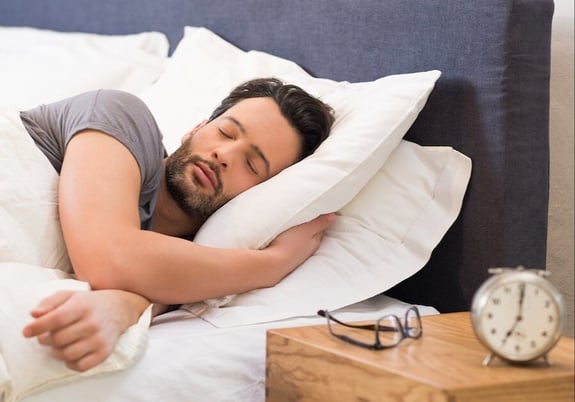
Waking up sore, stiff, or achy can make it feel like you spent the night working out instead of resting. While your mattress and pillow play a major role in how supported you feel, your sleeping position can also affect your comfort, spinal alignment, breathing, and overall sleep quality.
So, what is the best sleeping position? The answer depends on your body, health needs, and comfort preferences. For many people, sleeping on your side or back tends to be more supportive than sleeping on your stomach, especially when your spine, neck, and hips are properly aligned.
Below, we’ll break down the most common sleeping positions, the pros and cons of each, and how to make your preferred position more comfortable.
Why Your Sleeping Position Matters
Your sleep position can influence how your body feels when you wake up. A supportive position helps keep your spine in a more neutral alignment, which may reduce pressure on your neck, shoulders, hips, and lower back.
The right sleeping position may help with:
- Neck and back comfort
- Spinal alignment
- Hip and shoulder pressure relief
- Snoring or airway comfort
- Acid reflux symptoms
- Pregnancy-related sleep comfort
If you consistently wake up with soreness, your sleep position may be part of the problem. However, your mattress, pillow, and sleep setup matter too. Even a “good” sleep position can feel uncomfortable if your mattress does not provide the right level of support.
Sleeping on Your Back
Back sleeping is often considered one of the best sleeping positions for spinal alignment because it allows your head, neck, and spine to rest in a more neutral position. It can also help distribute body weight more evenly across the mattress.
For some people with neck or back discomfort, sleeping on the back may feel especially supportive when pillows are used strategically.
Benefits of Sleeping on Your Back
Sleeping on your back may help:
- Keep the spine in a neutral position
- Reduce pressure on the shoulders and hips
- Support the natural curve of the lower back
- Minimize facial pressure from pillows
- Make it easier to use pillows for targeted support
How to Make Back Sleeping More Comfortable
If you sleep on your back, try placing a pillow under your knees. This can help support the natural curve of the lower back and reduce pressure.
You may also want to use a pillow that supports your neck without pushing your head too far forward.
Potential Drawbacks of Back Sleeping
Back sleeping is not ideal for everyone. It may make snoring louder or more frequent for some people. It may also be less comfortable for people who experience certain breathing issues during sleep.
Back sleeping may also be uncomfortable later in pregnancy, so pregnant sleepers should follow their healthcare provider’s guidance.
Sleeping on Your Side
Side sleeping is one of the most common and generally supportive sleep positions. It can be a good option for people who want to reduce pressure on the back while keeping the spine more aligned.
Benefits of Sleeping on Your Side
Sleeping on your side may help:
- Support better spinal alignment
- Reduce snoring for some sleepers
- Help with airway comfort
- Support comfort during pregnancy
- Reduce pressure on the lower back when properly supported
Side sleeping may also be helpful for people who experience acid reflux, depending on the side they sleep on and how their upper body is positioned.
How to Make Side Sleeping More Comfortable
For better side-sleeping support, try:
- Placing a pillow between your knees
- Keeping your hips stacked instead of twisting forward
- Using a pillow that keeps your neck aligned with your spine
- Choosing a mattress that cushions the shoulders and hips without letting the body sink too deeply
If your shoulder or hip feels sore in the morning, your mattress may be too firm, too soft, or no longer providing enough pressure relief.
Is the Left Side Better Than the Right Side?
For many sleepers, either side can be comfortable. However, left-side sleeping is often recommended during pregnancy because it may support better blood flow and reduce pressure as the body changes.
If you are pregnant or have a medical condition, it is always best to ask your healthcare provider which sleep position is safest for you.
Sleeping on Your Stomach
Stomach sleeping may feel comfortable for some people, but it is generally considered the least supportive sleeping position. That is because it can make it harder to keep the neck and spine aligned.
When you sleep on your stomach, your head is usually turned to one side for long periods of time. This can create strain in the neck, shoulders, and upper back. Stomach sleeping can also place added pressure on the lower back, especially if the mattress allows the midsection to sink too far.
Benefits of Sleeping on Your Stomach
Stomach sleeping may help reduce snoring for some people because it can help keep the airway more open.
Drawbacks of Sleeping on Your Stomach
Stomach sleeping may contribute to:
- Neck strain
- Lower back discomfort
- Shoulder tension
- Numbness or tingling from pressure on nerves
- Poor spinal alignment
If you are a stomach sleeper and regularly wake up with pain, it may be worth gradually training yourself to sleep on your side instead.
How to Make Stomach Sleeping More Comfortable
If stomach sleeping is the only position that feels natural to you, try:
- Using a very thin pillow or no pillow under your head
- Placing a pillow under your hips or lower abdomen
- Choosing a supportive mattress that keeps your midsection from sinking
- Stretching gently in the morning if you feel stiff
Even small adjustments can help reduce strain on your neck and lower back.
So, What Is the Best Sleeping Position?
For most people, the best sleeping position is one that keeps the spine supported, reduces pressure points, and allows you to sleep comfortably through the night.
In general:
- Best overall for many sleepers: Side sleeping
- Best for spinal alignment: Back sleeping
- Best for reducing snoring: Side sleeping
- Best during pregnancy: Side sleeping, especially the left side
- Least recommended for back and neck comfort: Stomach sleeping
That said, there is no single perfect sleeping position for everyone. Your ideal position depends on your body, comfort needs, and whether you experience issues like back pain, snoring, acid reflux, or pregnancy-related discomfort.
Your Mattress Matters Too
Your sleep position and mattress should work together. A mattress that feels supportive for a back sleeper may not provide enough pressure relief for a side sleeper. Likewise, a stomach sleeper may need a firmer, more supportive surface to help prevent the midsection from sinking too deeply.
Here are a few general tips:
- Side sleepers often need a mattress that cushions the shoulders and hips.
- Back sleepers usually benefit from balanced support that maintains the spine’s natural curve.
- Stomach sleepers may need a firmer mattress to help keep the body more level.
- Combination sleepers may prefer a mattress that offers both comfort and responsiveness.
If you are waking up sore, your sleeping position may be part of the issue, but your mattress may also be contributing to the problem.
Wake Up Feeling More Comfortable
The best sleeping position is the one that helps you wake up feeling rested, supported, and free from unnecessary aches and pains. For many people, that means sleeping on the side or back with the right pillow support and a mattress that matches their preferred sleep style.
If your current mattress is no longer giving you the comfort and support you need, it may be time to explore a better fit. At Land of Sleep, our team can help you find a mattress that supports your body, your sleep position, and the way you rest. Visit one of our locations today!
Frequently Asked Questions About the Best Sleeping Positions
What is the healthiest sleeping position?
For many people, sleeping on the side or back is considered healthier than sleeping on the stomach because these positions make it easier to keep the spine supported and aligned. The healthiest position for you depends on your comfort needs, health concerns, and mattress support.
Is it better to sleep on your side or your back?
Both side sleeping and back sleeping can be good options. Side sleeping may be better for people who snore, experience mild airway obstruction, or are pregnant. Back sleeping may be better for people who want even weight distribution and neutral spinal alignment. The best choice depends on what feels most comfortable and supportive for your body.
What sleeping position is best for back pain?
Back sleeping with a pillow under the knees may help support the lower back. Side sleeping with a pillow between the knees may also help keep the hips and spine aligned. If back pain is ongoing or severe, it is best to speak with a healthcare provider.
What sleeping position is best for neck pain?
Sleeping on your back or side is often more supportive for neck comfort than sleeping on your stomach. A pillow that keeps your head and neck aligned with your spine can make a big difference.
Is sleeping on your stomach bad?
Sleeping on your stomach is not always “bad,” but it can put more strain on the neck and lower back. If you wake up with stiffness, numbness, or soreness, your stomach-sleeping position may be contributing to the problem.
What is the best sleeping position for snoring?
Side sleeping is often recommended for people who snore because it may help keep the airway more open. Back sleeping can make snoring worse for some people.
What is the best sleeping position during pregnancy?
Side sleeping is often recommended during pregnancy, especially on the left side. This position may support better blood flow and comfort as pregnancy progresses. Pregnant sleepers should always follow their healthcare provider’s recommendations.
Can a mattress help improve my sleeping position?
Yes. The right mattress can help support your preferred sleeping position by keeping your spine aligned and reducing pressure points. If your mattress is too soft, too firm, or worn out, it may make it harder to sleep comfortably in any position.
