

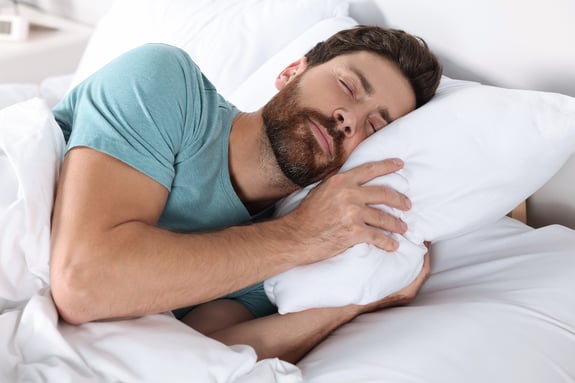
You may use the words “rest” and “sleep” interchangeably, but they are not the same thing.
Rest involves relaxing while you are awake, while sleep is a biological process in which your brain and body move through stages that support memory, mood, physical health, and daytime functioning.
Both can play an important role in a healthy routine, but rest cannot replace the benefits of getting enough quality sleep.
What Is the Difference Between Rest and Sleep?
|
Rest |
Sleep |
|
You remain awake and aware of your surroundings. |
Your body enters a different state of consciousness. |
|
You can take a break whenever you need one. |
Your body follows a natural sleep-wake cycle. |
|
Gives you time to step away from daily demands. |
Supports important physical and mental processes. |
During rest, you might read, sit outside, listen to music, or simply take a break from your usual activities. During sleep, your brain cycles through non-REM and REM stages that support different aspects of physical and mental well-being.
Why Is Rest Important?
Daily responsibilities can require a lot of physical and mental energy. Taking time to rest gives you a chance to step away from those demands and recharge.
Rest can take many forms, including:
- Reading
- Listening to music
- Taking a walk
- Spending time outdoors
- Practicing mindfulness
- Enjoying a hobby
- Sitting quietly without distractions
There is no single right way to rest. What feels relaxing to one person may not feel relaxing to another. The important part is choosing activities that give you a genuine break rather than adding another demand to your day.
Rest can give your mind and body a chance to slow down, reset, and recharge while you are awake.
Why Is Sleep Important?
While rest gives you a break from daily activities, sleep allows your brain and body to move through important processes that do not happen in quite the same way while you are awake.
Throughout the night, you cycle through non-REM and REM sleep several times. During sleep, your body and brain move through processes that support recovery and restoration.
Getting enough quality sleep can support:
- Memory and learning
- Focus and concentration
- Mood and emotional well-being
- Physical health
- Energy and daytime alertness
Sleep is an active part of maintaining your health and helping you function during the day.
What Happens When You Do Not Get Enough Sleep?
A little extra rest during the day may feel helpful after a poor night's sleep, but it cannot fully make up for consistently not getting enough sleep.
When you are not getting enough quality sleep, you may notice changes in how you feel and function. You may have trouble concentrating, remembering information, staying alert, or managing your emotions.
Some signs that you may need more sleep include:
- Feeling tired when you wake up
- Having difficulty concentrating
- Feeling unusually irritable
- Relying heavily on caffeine
- Struggling to stay awake during the day
- Having difficulty maintaining a regular sleep schedule
One poor night's sleep does not necessarily indicate a problem. However, if you consistently feel tired, unrefreshed, or unable to stay alert during the day, it may be worth taking a closer look at your sleep habits or talking with a healthcare professional.
How Much Rest and Sleep Do You Need?
There is no specific number of minutes or hours of rest that everyone needs during the day. The amount of downtime that feels helpful can depend on your schedule, activity level, stress, and personal preferences.
Sleep is different because there are general recommendations for how much adults need. Most adults need about seven to nine hours of sleep each night, although individual needs can vary.
Rather than trying to calculate a specific amount of rest, consider whether your daily routine gives you enough opportunities to step away from activities and recharge.
A balanced routine may include:
- Enough sleep to support your body's needs
- Breaks from physical and mental demands
- Time to relax before bed
- A consistent sleep and wake schedule
- Time for activities you enjoy
Your needs may change depending on your schedule, stress level, and daily activities. A particularly busy or physically demanding day, for example, may leave you wanting more downtime.
How Can You Make More Time for Rest?
You do not need hours of free time to make rest part of your day. Even short periods of downtime can give you an opportunity to step away from your usual routine.
Try making rest a regular part of your day rather than waiting until you feel completely exhausted.
You could:
- Take a short break between tasks
- Put your phone away for a few minutes
- Take a walk without checking notifications
- Read a few pages of a book
- Listen to music
- Spend a few quiet minutes outside
The activity itself matters less than whether it helps you feel less rushed, distracted, or stimulated.
You can also look at your evenings. Leaving some space between the end of your responsibilities and bedtime can help you transition into a more relaxed state.
How Can You Create Better Conditions for Sleep?
Your sleep environment can also play a role in how comfortable you feel throughout the night.
Consider the conditions in your bedroom:
- Temperature: Keep the room at a temperature that feels comfortable for you.
- Lighting: A darker environment can make it easier to settle in for sleep.
- Noise: Minimize sounds that could interrupt your night.
- Bedding: Choose bedding that feels comfortable and helps you maintain a pleasant temperature.
- Pillow: Choose a pillow that provides the support you need.
- Mattress: Make sure your mattress feels comfortable and supportive.
Your environment is only one part of healthy sleep, but small changes can make your bedroom feel more inviting when it is time to wind down.
Find a Mattress That Supports Better Sleep
Your mattress is an important part of your sleep environment. If it is worn out, uncomfortable, or no longer provides the support you need, it may be affecting how comfortable you feel at night.
At Land of Sleep, our team can help you find a mattress that fits your sleep habits, comfort preferences, and support needs. Visit one of our Sarasota or Venice mattress store locations to try different options and find the right fit for a more comfortable night's sleep.
Frequently Asked Questions About Rest and Sleep
Can resting replace sleep?
No. Rest can help you relax and take a break from physical or mental activity, but it cannot replace the benefits of getting enough quality sleep.
Is lying down considered resting?
Lying down can be a form of rest if you remain awake and use the time to relax. If you fall asleep, however, you are getting sleep rather than simply resting.
How much sleep do adults need?
Most adults need about seven to nine hours of sleep each night, although individual sleep needs can vary.
Why am I still tired after resting?
Rest can help you feel refreshed temporarily, but it does not provide the same benefits as sleep. If you regularly feel tired despite taking breaks during the day, consider whether you are getting enough quality sleep at night.
Can taking a nap help when I am tired?
A nap provides additional sleep during the day and may help when you are feeling tired. However, long or late naps may make it harder for some people to fall asleep at night. If you regularly need naps because you are excessively tired during the day, consider talking with a healthcare professional.
Can a comfortable mattress help me sleep better?
A mattress cannot replace healthy sleep habits or treat a sleep disorder, but a comfortable, supportive mattress can help create a sleep environment that fits your needs. If your mattress is worn out or no longer feels comfortable, exploring different options may help you find a better fit.