

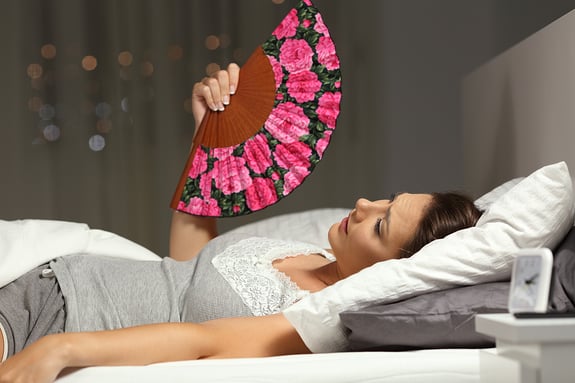
There is nothing better than getting comfortable in bed after a long day, only to wake up in the middle of the night feeling hot and sweaty. If you regularly find yourself kicking off the covers or searching for the cool side of the pillow, you may be wondering, why do I get so hot when I sleep?
Getting too warm at night can have several causes. Your bedding, mattress, pajamas, bedroom temperature, and changes in your body can all affect how comfortable you feel while you sleep.
The good news is that a few simple changes may help you create a cooler, more comfortable sleep environment. Here are three common reasons you may be getting hot at night and what you can do about them.
1. Your Bedding May Be Trapping Heat
Your body naturally cools down as you prepare for sleep. While that change in temperature helps prepare your body for rest, the heat your body releases can become trapped by the materials surrounding you.
Heavy blankets, thick comforters, warm pajamas, and less-breathable sheets can all contribute to a warmer sleep environment.
If you tend to wake up hot, take a look at your bedding and consider whether it is providing more warmth than you actually need.
- Choose lightweight bedding. Lighter sheets and blankets can help you stay comfortable without creating too much warmth.
- Look for breathable fabrics. Materials such as cotton, bamboo, and linen are popular choices for sleepers who prefer a lighter, more breathable feel.
- Use adjustable layers. Several lightweight blankets give you more control than one heavy comforter when your temperature changes during the night.
- Consider your pajamas. Loose-fitting sleepwear made from breathable materials may feel more comfortable if you tend to sleep warm.
Your ideal bedding setup will depend on your preferences, your bedroom, and whether you typically sleep hot or cold.
2. Your Body May Be Affecting Your Sleep Temperature
Sometimes, getting hot at night has less to do with your bedroom and more to do with changes happening in your body.
Hormonal changes, pregnancy, menopause, certain medications, and some health conditions can affect how your body regulates temperature. This may be especially noticeable if you have recently started waking up warmer than usual.
If your sleep habits have stayed the same but you suddenly find yourself waking up hot, consider whether something else has changed.
- Think about recent changes. A new medication, lifestyle change, or change in your routine may affect how you feel at night.
- Pay attention to patterns. Notice whether you get hot at a particular time of night or under specific circumstances.
- Adjust your sleep environment. Lighter bedding and breathable pajamas may help you stay more comfortable when your body temperature changes.
- Talk with your doctor when needed. Frequent, unexplained, or severe night sweating is worth discussing with a healthcare professional.
Occasionally feeling warm at night is not necessarily a cause for concern. However, persistent night sweats are different from simply feeling a little too warm under the covers. If sweating regularly disrupts your sleep or occurs without an obvious explanation, your doctor can help determine whether there is an underlying cause.
3. Your Bedroom May Be Too Warm
Your bedroom environment can have a significant effect on how comfortable you feel throughout the night. If your thermostat is set too high, air is not circulating well, or your bedroom tends to hold heat, you may find yourself waking up uncomfortable.
A bedroom temperature around 65 to 68 degrees Fahrenheit is commonly recommended for sleep, although the ideal temperature varies from person to person.
You do not have to turn your bedroom into an icebox. Instead, try making a few small adjustments to create a more comfortable environment.
- Lower your thermostat. A slightly cooler bedroom may make it easier to stay comfortable throughout the night.
- Improve air circulation. A ceiling fan or floor fan can help keep air moving around your bedroom.
- Pay attention to bed placement. Positioning your bed where it can benefit from better airflow may improve comfort.
- Choose lighter layers. Keeping extra blankets nearby lets you adjust your bedding without overheating.
- Keep your bedroom comfortable. Temperature, airflow, lighting, and noise can all contribute to your overall sleep environment.
Could Your Mattress Be Making You Sleep Hot?
Your mattress is one of the biggest parts of your sleep environment, so it is worth considering when you are consistently waking up hot.
Some mattress materials and constructions can retain more body heat than others. If you have already tried adjusting your thermostat, bedding, and pajamas but still feel uncomfortable, your mattress may be part of the issue.
When shopping for a mattress, consider more than just how soft or firm it feels.
- Look for breathable construction. Mattress materials and design can affect how easily air moves through the sleep surface.
- Consider cooling features. Some mattresses are specifically designed to help manage heat and promote a cooler sleep experience.
- Think about your comfort needs. A mattress should provide the support and feel that work best for your preferred sleeping position.
- Try before you buy. Lying on different mattresses can help you compare how various materials and feels work for you.
There is no single mattress that is right for every sleeper. The goal is to find a mattress that provides the right combination of comfort, support, and temperature preferences for you.
Find a Mattress That Helps You Sleep Comfortably
If you have adjusted your bedroom and bedding but still find yourself waking up hot, it may be time to evaluate your mattress.
At Land of Sleep, our team can help you explore different mattress options and find a sleep setup that fits your comfort preferences. Whether you are looking for a mattress with cooling features or simply want to compare different materials and feels, we can help you find an option that works for you.
Visit one of our Sarasota or Venice mattress store locations to try different mattresses and find the right fit for a more comfortable night's sleep.
Frequently Asked Questions About Sleeping Hot
Why do I get so hot when I sleep?
You may get hot while sleeping because of your bedding, pajamas, mattress, bedroom temperature, or changes in your body. If you consistently feel too warm, evaluating your entire sleep environment can help you identify what may be contributing to the problem.
How can I stop getting so hot while sleeping?
Try keeping your bedroom cooler, improving airflow, choosing breathable pajamas and bedding, and using lighter layers. If you continue to sleep hot after making these changes, consider whether your mattress may be contributing to the problem.
Can a mattress make you sleep hot?
Yes. Some mattress materials and constructions can retain more heat than others. If you regularly wake up hot despite keeping your bedroom cool, trying different mattress materials may help you find a more comfortable option.
What is the best temperature for sleeping?
A bedroom temperature around 65 to 68 degrees Fahrenheit is commonly recommended for sleep, but your ideal temperature depends on your personal preferences. If you tend to sleep hot, a slightly cooler room may help you stay more comfortable.
What bedding is best for hot sleepers?
Lightweight, breathable bedding is often a good choice for people who sleep warm. Cotton, bamboo, and linen are popular options because they provide a lighter feel than heavier, more insulating materials.
When should I worry about sweating at night?
Occasional sweating can happen for many reasons, but frequent or unexplained night sweats that disrupt your sleep should be discussed with a healthcare professional.
