

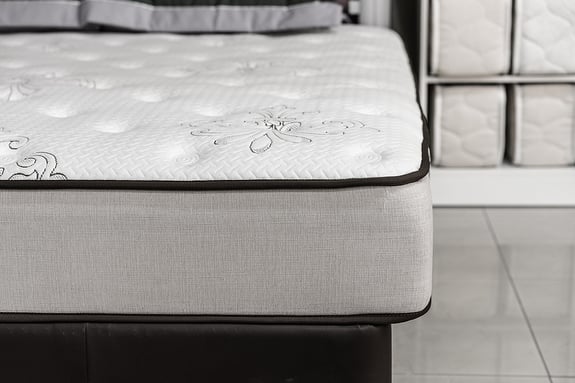
Buying a new mattress can feel confusing fast, because the “price” depends on a lot more than just the mattress itself. Size, materials, warranty, and where you buy all play a role.
Related Blog: When Is the Best Time to Buy a Mattress?
A mattress is also a long-term purchase that impacts your comfort, recovery, and overall health. If you can afford it, paying a little more for the right fit can be worth it, especially if it improves sleep quality and lasts longer. The key is understanding typical price ranges, so you can shop confidently without overpaying or expecting features that don’t match the cost.
What is the average cost of a mattress by category?
Most mattresses fall into three general price categories: budget, mid-range, and luxury. While prices vary by brand and features, these ranges can help you set realistic expectations.
Budget mattresses ($250–$1,000)
Budget mattresses are usually best for:
-
Guest rooms
-
Kids’ rooms
-
College apartments
-
Shoppers who need something functional at a lower cost
What to know: You can find solid options in this range, but the materials and structure may not hold up as long as higher-priced models.
Mid-range mattresses ($500–$1,500)
Mid-range is where many shoppers find the best balance of comfort and durability.
These mattresses often include:
-
Better foams and comfort layers
-
More supportive coil systems (in hybrids)
-
Improved edge support and pressure relief
What to know: This category usually includes many popular hybrid and higher-quality foam mattresses that last longer than budget models.
Luxury mattresses ($1,000–$3,500+)
Luxury mattresses typically start around $1,000 and can go much higher depending on materials and construction.
Luxury options may include:
-
Latex
-
Premium hybrids
-
Higher coil counts and reinforced support zones
What to know: Many luxury mattresses are designed for long-term durability and can last well over a decade (and sometimes longer) with proper care.
Why do mattress prices vary so much?
Mattresses may look similar on the outside, but structure and material quality can be very different. Here are the biggest factors that influence price.
How does mattress size affect cost?
Price usually increases as size increases. Smaller sizes like Twin and Full can cost significantly less than King or California King.
You may also notice slightly higher costs for:
-
Twin XL (common in dorms and adjustable base)
-
California King (special dimensions and materials)
How do materials and construction impact mattress price?
The materials inside the mattress are one of the biggest price drivers.
In general:
-
Hybrid mattresses (foam + coil support) often cost more than basic all-foam beds.
-
Latex mattresses are typically more expensive than standard memory foam.
-
Specialty foams (like copper-infused foam or advanced cooling foams) can increase price.
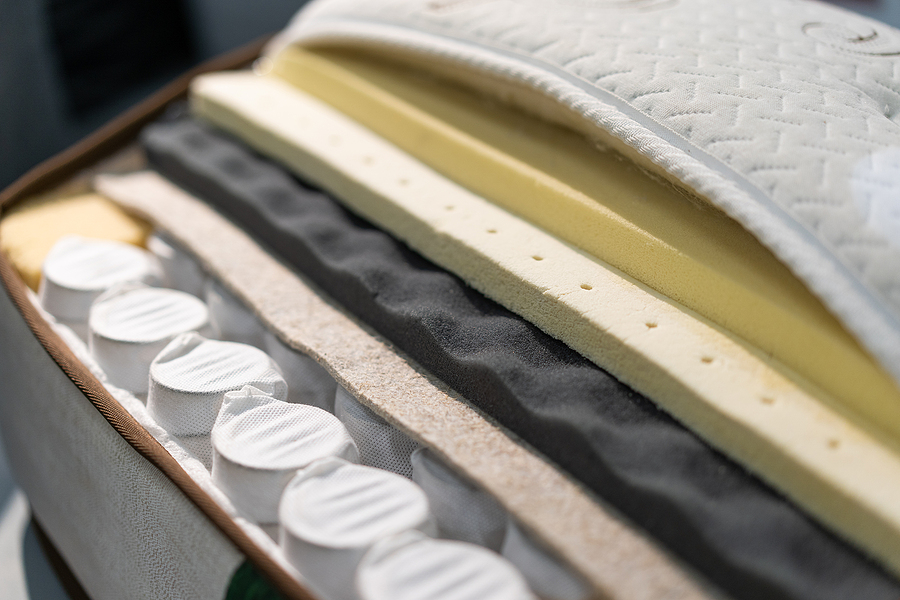 Even when two mattresses look similar, pricing can differ because of foam density and quality:
-
Coil type and coil count
-
Thickness and number of layers
-
Edge support design
-
Breathability and cooling features
How can you avoid overpaying for a mattress?
If you want the best value for your budget, keep these tips in mind:
-
Match the mattress to your needs (sleep position, pain points, temperature, weight, partner preferences)
-
Look beyond the label (materials and structure matter more than marketing terms)
-
Try before you buy when possible to confirm comfort and support
-
Ask about warranty details and what’s actually covered
-
Shop during promotions if timing is flexible
FAQs: How much does a new mattress cost?
How much should I spend on a new mattress?
Most shoppers end up in the mid-range ($500–$1,500) because it typically offers the best balance of comfort, support, and durability. If you have specific needs like back pain, sleeping hot, or sharing the bed with a partner, you may benefit from stepping into a higher-quality mid-range or luxury option.
Are expensive mattresses worth it?
They can be worth it if you’re looking for better pressure relief, stronger support, improved cooling, or a mattress that holds up longer over time. Higher-end mattresses often use premium materials that resist sagging and maintain comfort, which can make a noticeable difference if you sleep on it every night.
How long should a mattress last?
A typical mattress lasts about 7–10 years, but lifespan depends on materials, usage, and maintenance. Premium mattresses like latex or high-quality hybrids can last longer, especially with good support from a proper foundation and regular rotation when recommended.
What’s the best way to find the right mattress for my budget?
Start by setting a realistic price range, then focus on the features that matter most for how you sleep, like firmness, pressure relief, and temperature regulation. Testing mattresses in person can help you quickly feel the difference between price tiers and choose something that fits both your comfort and your budget.
If you are planning to purchase a mattress, make sure it’s one that will give you the comfort and longevity you desire. Download our Ultimate Mattress Cheat Sheet today to learn more about how to find the perfect mattress for you. At Land of Sleep, you can explore a wide variety of mattresses at competitive prices and get free mattress delivery to your home. Visit our showroom today to get the good night's sleep you deserve at a great price!